Dogs may enter a yard while roaming, following an interesting scent, or looking for an open path. If you want to keep them away, focus on limiting access and removing what attracts them. Avoid methods that could hurt or frighten an animal.
Start by Limiting Access
Check the places where a dog could enter. Look for open gates, gaps beneath fencing, or sections that need repair. Close gates after use and block easy entry points where possible.
A barrier should guide dogs away without creating a hazard. Avoid sharp materials, loose wires, or anything that could trap or injure an animal. If you rent or share outdoor space, check with the property owner before making changes.
Remove Things That May Attract Dogs
Food scraps, accessible rubbish, and pet food can draw animals into a yard. Store waste in closed containers and bring pet food indoors after feeding. If a particular area keeps attracting dogs, check it for food or other appealing smells.
If you know who owns the dog, a calm conversation may help identify why it keeps entering your property. Describe where and when you have seen it, and ask whether the owner can help prevent repeat visits.
Choose Deterrents Carefully
Products sold as dog repellents can differ in their intended use and directions. Before using one, read the full label and check that it is meant for the specific location, such as a garden or indoor surface. Follow the application instructions and precautions exactly.
Do not assume that a product is harmless because it is described as natural. Keep children and pets away as directed, and avoid applying a product to an animal unless its label specifically says it is intended for that use.
No deterrent should be treated as a guaranteed way to keep every dog away. If a product does not clearly explain where and how it should be used, choose another approach or contact the manufacturer for guidance.
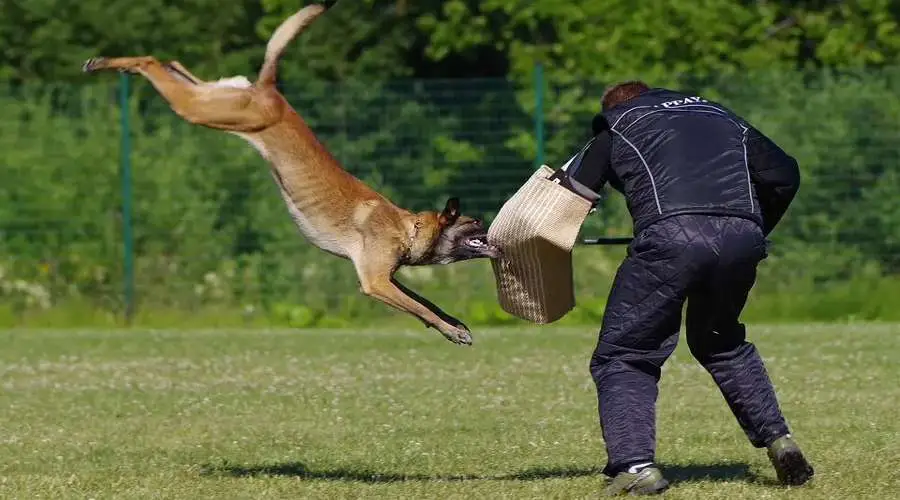
dog attack methods against dogs
Avoid Harmful Home Remedies
Online advice may recommend household ingredients or strong-smelling substances as dog deterrents. Do not scatter or spray an ingredient around animals unless you have reliable, product-specific guidance that it is appropriate for that use. Some substances can irritate or harm pets, and an improvised mixture may not work as expected.
Never use poison, weapons, or devices intended to shock or injure a dog. These methods can cause serious harm and do not address why the animal is entering the area.
What If a Dog Keeps Returning?
Keep a simple record of when the dog visits and where it enters. This can help you identify an access point and explain the issue clearly to the owner or a relevant local animal service.
If you feel unsafe or the dog appears injured or distressed, keep your distance and contact an appropriate local service. Do not try to corner, chase, or handle an unfamiliar dog.
A Practical Way to Protect Your Yard
Begin with secure gates, repaired barriers, and closed rubbish or food containers. If you consider a repellent, check its intended use and label directions before applying it. Humane prevention starts with reducing access and avoiding methods that could put an animal at risk.